April 17, 2026
In the quest to reduce energy costs, many homeowners overlook the savings that proper insulation can provide. Managing energy consumption is an ongoing challenge that affects both household budgets and environmental impact. A local insulation service can help identify inefficiencies and deliver targeted solutions that improve comfort and reduce expenses. Investing in insulation is a practical step toward long-term energy efficiency.
Insulation acts as a barrier to heat flow, helping maintain comfortable indoor temperatures throughout the year. By choosing the right materials and installation methods, homeowners can significantly reduce heating and cooling costs. This article explains how insulation improves efficiency, enhances comfort, and supports sustainability goals.
Understanding the Importance of Proper Insulation
Explaining Heat Transfer
Heat transfer explains how and why homes lose energy. The three primary forms of heat transfer include:
Conduction (heat moving through materials)
Convection (heat circulating through air or liquids)
Radiation (heat traveling in waves)
Insulation slows these processes, helping your home stay warmer in winter and cooler in summer. By reducing heat loss and gain, insulation lowers the demand on HVAC systems, which directly reduces energy bills.
Proper insulation creates a buffer against outdoor temperature changes. Materials such as fiberglass, foam, and cellulose are designed to resist heat flow, and their effectiveness is measured by R-value. Understanding how these materials function allows homeowners to make informed decisions that maximize efficiency. According to the EPA, properly sealing and insulating a home can reduce heating and cooling costs by as much as 15%. This highlights how impactful insulation upgrades can be when paired with air sealing.
Selecting Insulation Materials
Types of Insulation Materials
Choosing the right insulation material plays a major role in energy efficiency. Some of the most common options include:
Fiberglass: Durable, cost-effective, and widely used
Cellulose: Eco-friendly, dense, and excellent for retrofitting
Rock Wool: Fire-resistant and effective for soundproofing
Spray Foam: High-performance sealing and insulation
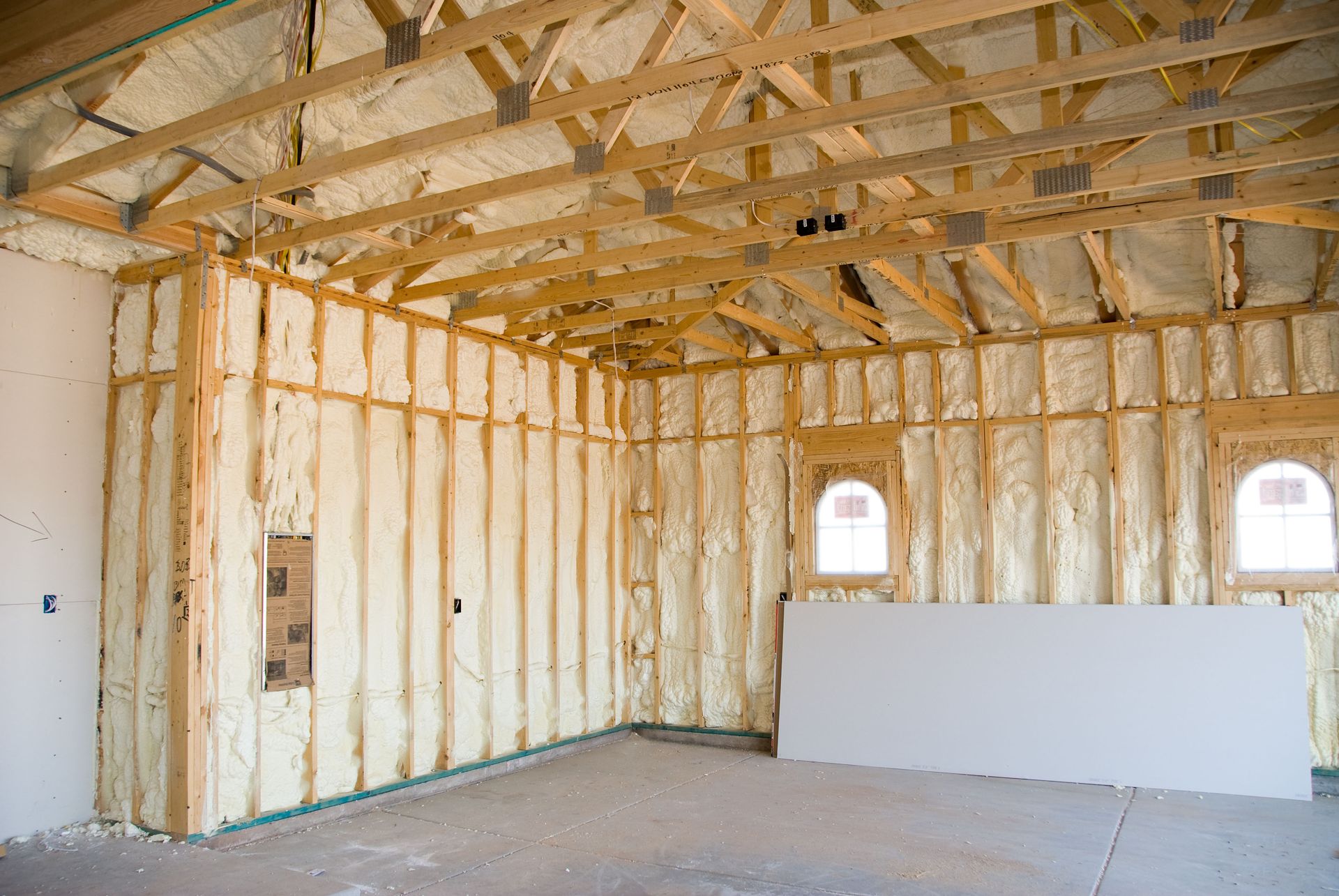
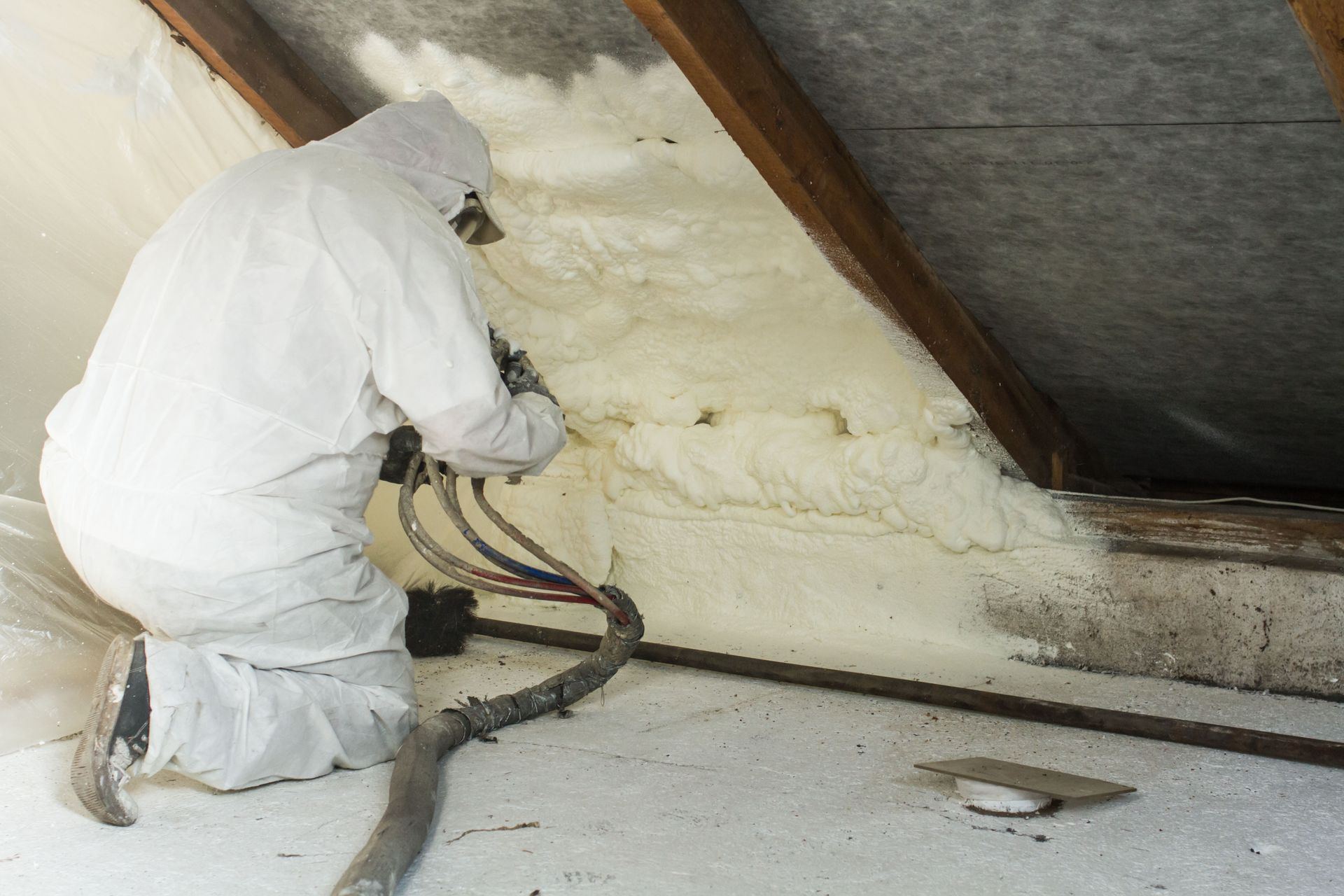
Foam insulation is especially useful in areas where moisture control is important, such as basements and crawl spaces. Spray foam expands to fill gaps, making it one of the most effective solutions for air sealing.
Sustainable options, including cotton and wool, are also gaining popularity. These materials provide strong thermal performance while supporting environmentally friendly practices.
Evaluating Insulation R-Value
Definition of R-Value
R-value measures how well insulation resists heat flow. Higher R-values provide better insulation performance.
Key considerations when evaluating R-value include:
Climate conditions
Location within the home (attic, walls, floors)
Existing insulation levels
For example, attic insulation typically requires a higher R-value because of direct exposure to outdoor temperatures. Upgrading insulation in these areas can lead to noticeable reductions in energy bills.
Working with a local insulation service ensures that homeowners select the correct R-value for each part of the home, balancing upfront costs with long-term savings.
Identifying Areas Prone to Energy Loss
Common Areas of Energy Loss
Certain areas of a home are more vulnerable to energy loss, including:
Attics
Walls
Basements
Crawl spaces
An energy audit can help identify these problem areas. Addressing them improves overall efficiency and comfort.
Windows and doors are also common sources of energy loss. While insulation does not directly address these openings, sealing them with weather stripping and caulking enhances insulation performance.
Older homes may have outdated or damaged insulation. In these cases, professional evaluations are essential to identify hidden inefficiencies and recommend effective upgrades.
Recognizing Long-Term Benefits of Insulation
Long-Term Benefits of Insulation
Insulation provides more than just immediate energy savings. Long-term benefits include:
Increased home value
Improved indoor comfort
Better air quality
Reduced environmental impact
A well-insulated home maintains consistent temperatures, reducing strain on HVAC systems. This stability also helps prevent moisture issues, which can lead to mold growth.
From an environmental perspective, insulation reduces energy consumption and lowers carbon emissions. Homeowners who invest in insulation contribute to broader sustainability efforts while saving money.
Exploring Types of Insulation Services Offered Locally
Installing Attic and Roof Insulation
Attic Insulation Materials
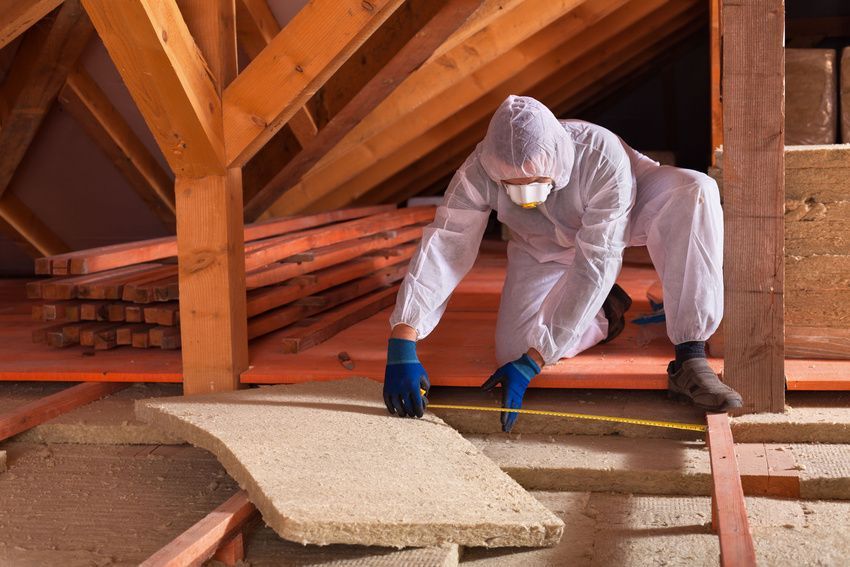
Attics are one of the largest sources of energy loss. A local insulation service can install materials such as:
Blown-in cellulose
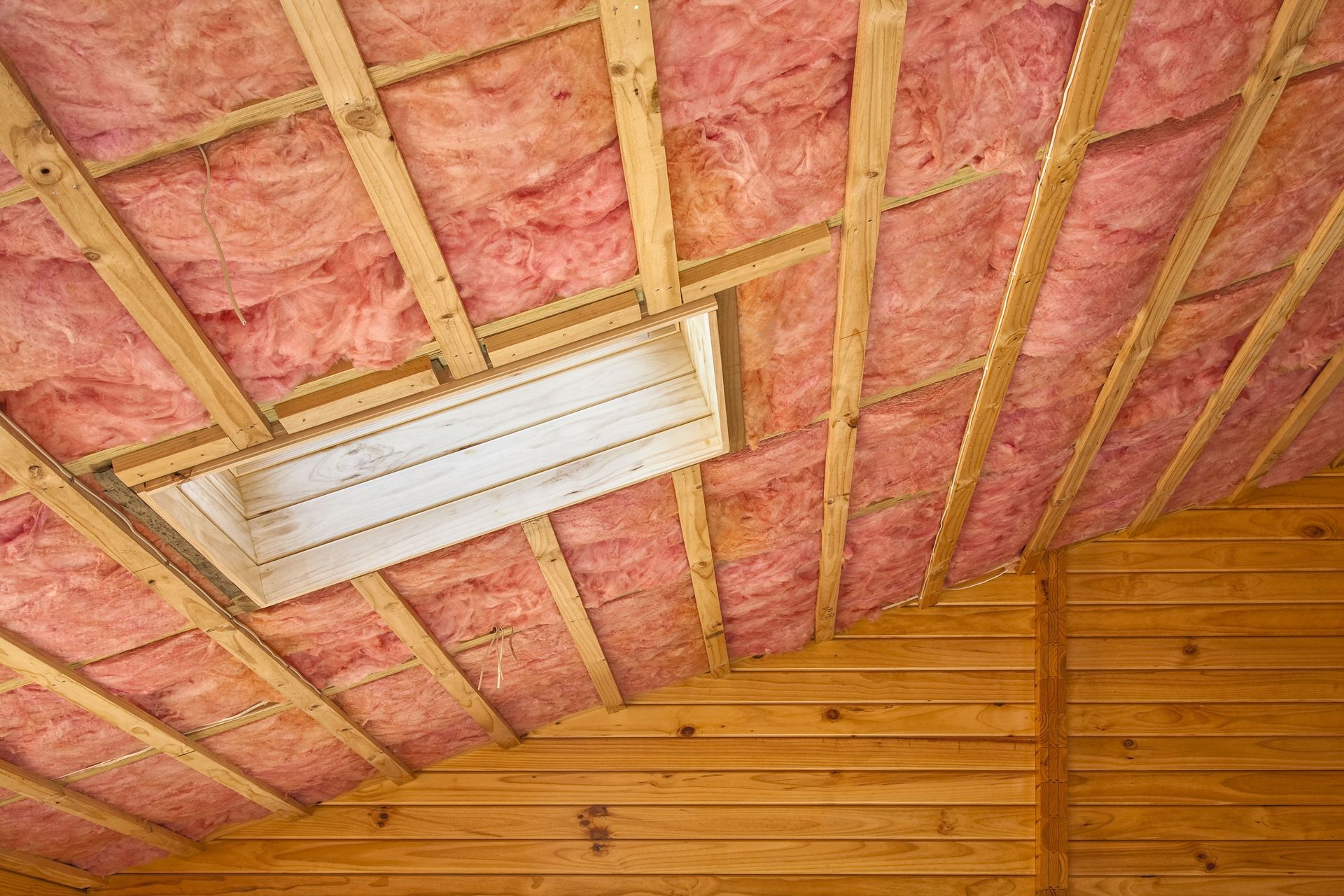
Fiberglass batts
Spray foam
Blown-in insulation is especially effective for filling gaps in irregular spaces. Spray foam provides an airtight seal, making it ideal for maximizing efficiency.
Professional installers evaluate ventilation, existing insulation, and access points to determine the best solution.
Applying Wall Insulation Techniques
Wall Insulation Methods
Wall insulation helps maintain indoor temperatures and reduce noise. Common techniques include:
Fiberglass batts and rolls
Spray foam applications
Blown-in cellulose
Spray foam is particularly effective for sealing air leaks, while cellulose works well for retrofitting older homes. Choosing the right method depends on the structure of the walls and the desired level of efficiency.
A local insulation service can assess these factors and recommend the most effective approach.
Improving Basement and Crawl Space Solutions
Basement and Crawl Space Benefits
Basements and crawl spaces are often overlooked, but they play a major role in energy efficiency. Proper insulation in these areas helps:
Control moisture
Reduce heat loss
Improve air quality
Spray foam and rigid foam boards are commonly used due to their durability and moisture resistance. These solutions also strengthen structural integrity and reduce the risk of mold.
Enhancing Homes With Weatherization Services
Weatherization Services Overview
Weatherization enhances insulation by addressing air leaks and external inefficiencies. Services may include:
Sealing gaps and cracks
Installing energy-efficient windows
Adding weather stripping and caulking
These improvements work alongside insulation to create a more energy-efficient home. A local insulation service often provides comprehensive weatherization solutions for maximum results.
Incorporating Innovative Insulation Technologies
Innovative Insulation Technologies
Modern insulation technologies continue to improve efficiency and sustainability. Examples include:
Aerogels for high-performance insulation
Vacuum panels for compact spaces
Phase-change materials for dynamic temperature control
Eco-friendly options made from recycled or plant-based materials are also becoming more common. These innovations allow homeowners to reduce energy use without compromising performance.
Evaluating Your Home's Insulation Needs
Conducting an Energy Audit
Energy Audit Tools
An energy audit provides a detailed assessment of a home's energy use. Professionals use tools such as:
Thermal imaging
Blower door testing
These methods identify areas where insulation is lacking or ineffective. The results help homeowners prioritize upgrades and maximize savings.
Many homeowners choose a local insulation service that offers both audits and installation, ensuring a seamless process from evaluation to improvement.
Spotting Insulation Deficiencies
Signs of Insulation Problems
Common signs of poor insulation include:
Drafts or cold spots
Uneven temperatures
High energy bills
Moisture or mold issues
Thermal imaging can reveal hidden gaps or deteriorated insulation. Addressing these issues early prevents further energy loss and costly repairs.
Calculating Potential Energy Savings
Factors Affecting Energy Savings
Understanding potential savings helps homeowners make informed decisions. Factors that influence savings include:
Current insulation levels
Climate conditions
HVAC efficiency
Home size and layout
Most insulation upgrades pay for themselves over time through reduced utility bills. A local insulation service can provide accurate estimates based on these variables, helping homeowners prioritize improvements effectively.
Improving Energy Efficiency With Insulation
Investing in insulation is one of the most effective ways to lower energy bills and improve home comfort. From understanding heat transfer to selecting the right materials and services, each step plays a role in maximizing efficiency. Working with a local insulation service ensures that every aspect of your home is properly evaluated and optimized for long-term performance. These improvements not only reduce monthly expenses but also extend the lifespan of your HVAC system and enhance overall indoor comfort year-round. If you are ready to reduce energy costs and improve your home's efficiency, contact Advanced Insulation Technology today to get started.