October 13, 2026
Home comfort depends on more than the performance of a heating or cooling system. Insulation plays an important role in slowing heat transfer, helping indoor temperatures remain more consistent as outdoor conditions change. When insulation is missing, compressed, damaged, or poorly distributed, rooms may become harder to heat in winter and cool in summer. Drafts, uneven temperatures, high energy use, and uncomfortable upper or lower levels can all point to insulation concerns. Local insulation services can help homeowners evaluate problem areas and determine where improvements may make the home more comfortable. By focusing on attics, walls, crawl spaces, basements, and other parts of the building envelope, insulation professionals can help reduce unwanted heat movement and support more stable indoor conditions over time.
Evaluating Existing Insulation Conditions
A professional insulation project often begins with an evaluation of the material already in place. Homes can contain different insulation types depending on their age, construction, and previous renovations. Some areas may have adequate coverage, while others may contain thin, compressed, damp, or deteriorated material. An inspection can help identify where insulation levels are inconsistent and whether air movement, moisture, or other conditions are affecting performance. Looking at the existing system before adding new material can help prevent underlying issues from being overlooked.
Local insulation services can also help homeowners understand whether current insulation is still performing as intended. According to HomeGuide, insulation can remain effective for 20 to 100 years based on the material and conditions at the installation site. Age alone does not always determine whether replacement is necessary, because moisture exposure, pests, settling, construction changes, and other factors can shorten useful life. Evaluating both condition and coverage gives homeowners a clearer picture of whether insulation should be supplemented, repaired, or replaced in specific parts of the home.
Improving Attic Insulation Coverage
Attics are a common focus for insulation improvements because heat can move readily between the living space and the roof area. In colder weather, warm indoor air can rise toward the ceiling and escape through underinsulated areas. During hot weather, heat from the roof can transfer downward and make upper rooms more difficult to cool. Thin or uneven attic insulation may therefore contribute to temperature swings that are especially noticeable on the highest floor of the home.
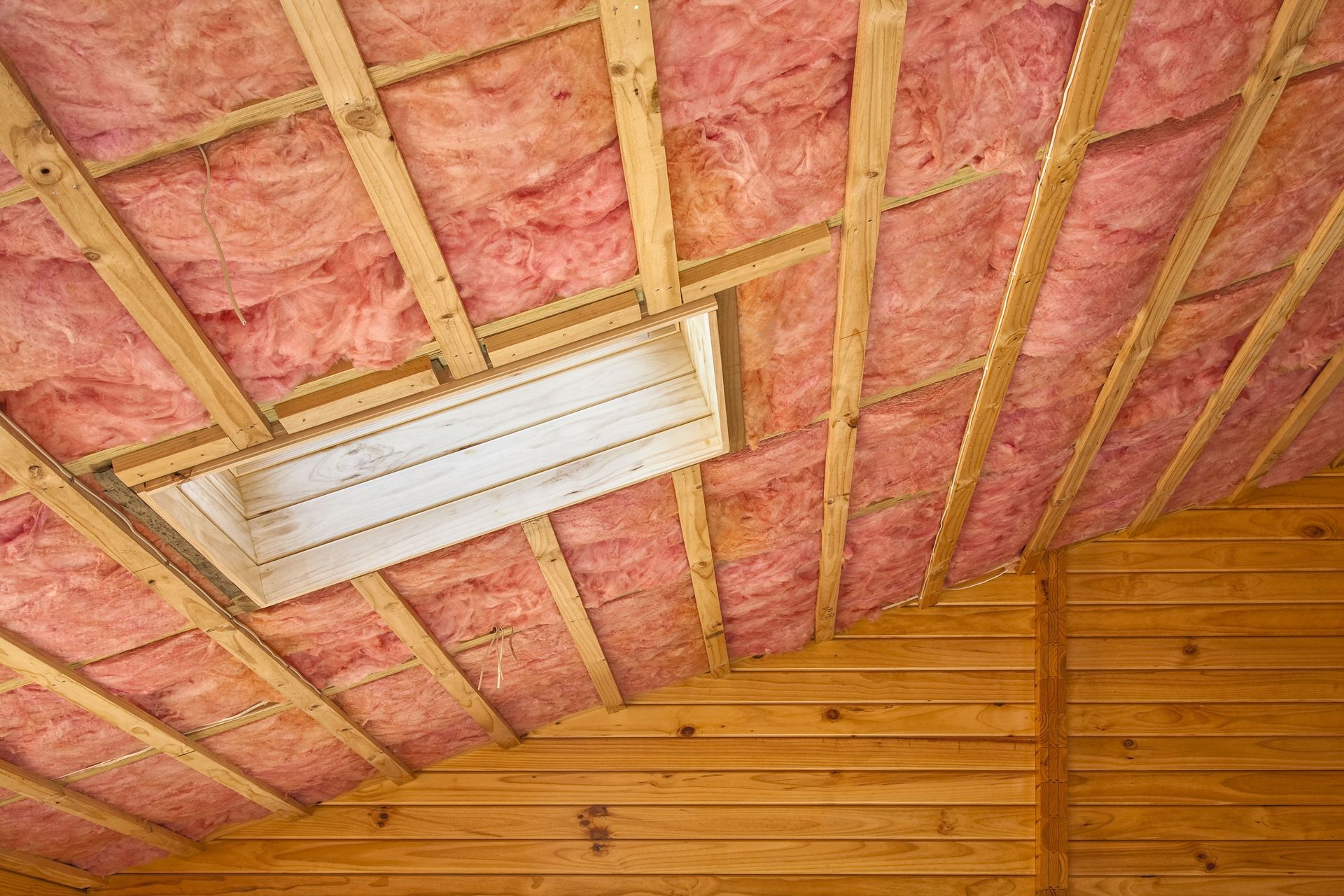
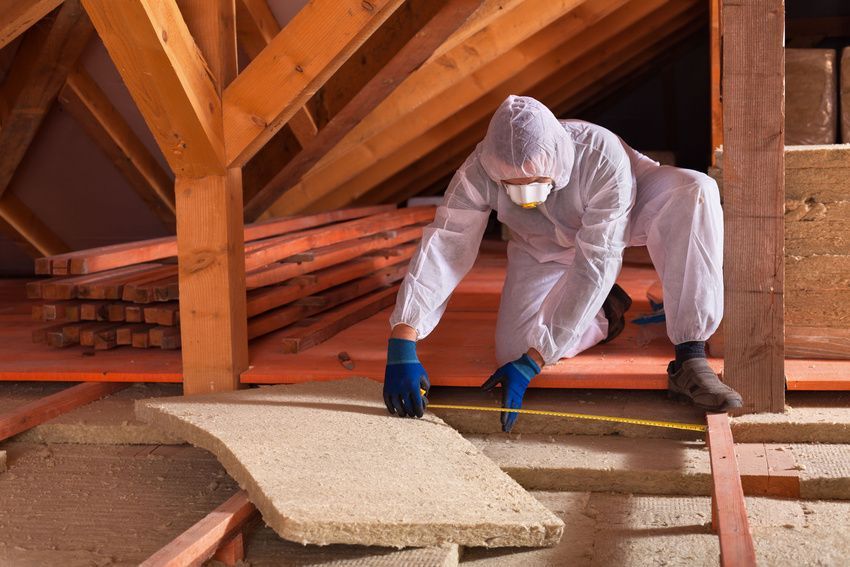
Local insulation services can assess attic depth, coverage, ventilation, and areas where insulation may have shifted or settled. Additional material may be added where coverage is insufficient, while damaged insulation may need to be removed before new material is installed. Attention may also be given to access hatches, eaves, and other locations where gaps are common. Improving attic insulation can help reduce heat transfer through the ceiling and support more consistent temperatures in the rooms below.
Strengthening Insulation in Exterior Walls
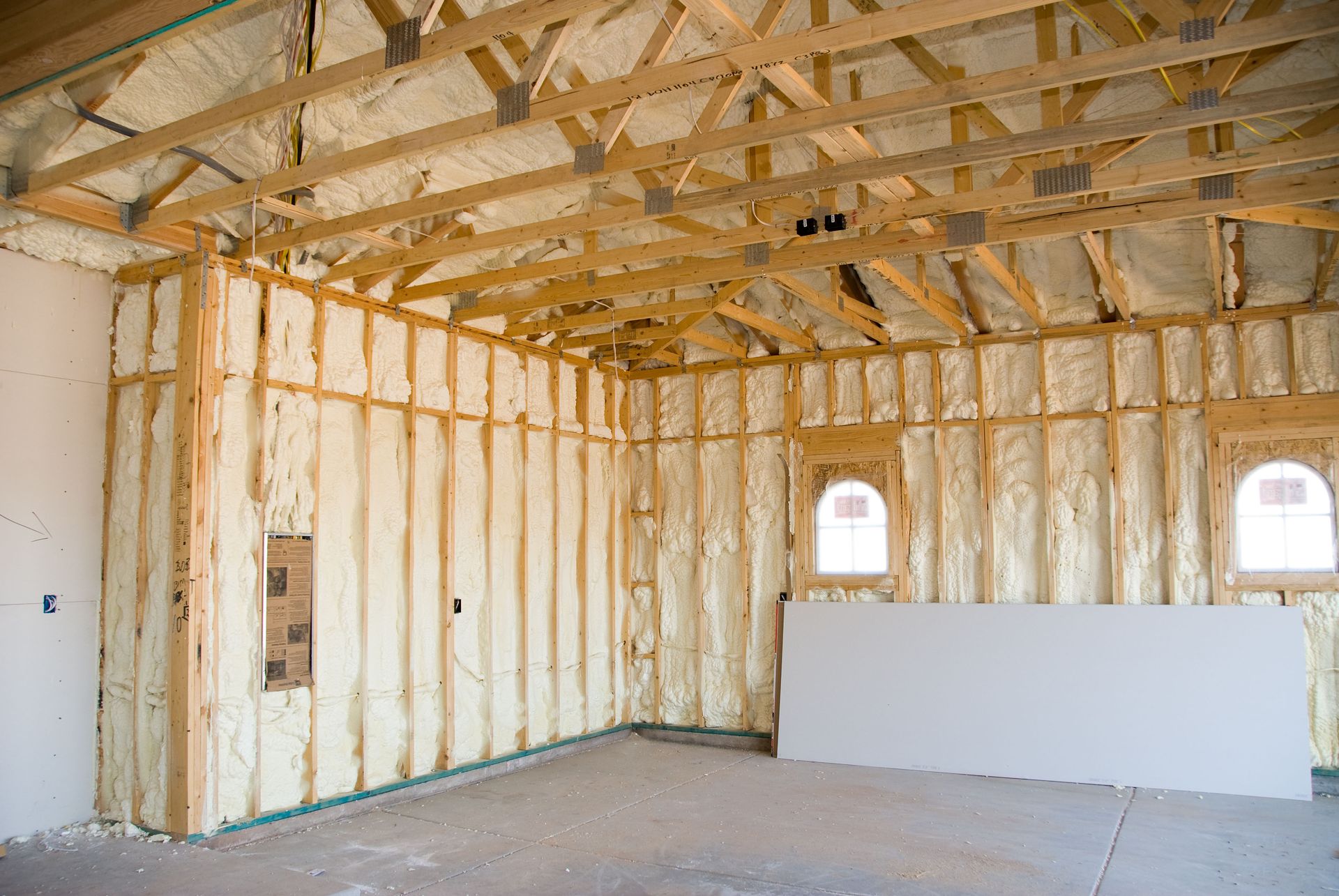
Exterior walls form a large portion of the building envelope, so inadequate insulation in these areas can have a noticeable effect on comfort. Older homes may have wall cavities with little insulation, while renovation work or previous repairs can create uneven coverage. Rooms along exterior walls may feel colder in winter or warmer in summer than interior spaces, especially when insulation is missing around framing, plumbing, or electrical components.
Local insulation services may be able to identify wall areas where thermal performance appears weaker and recommend appropriate solutions based on the construction of the home. In some cases, insulation can be added without removing large sections of finished wall, while other projects may be coordinated with remodeling work. Improving wall insulation can help reduce the influence of outdoor temperatures on indoor spaces and make rooms feel more consistent throughout the day.
Addressing Crawl Space and Basement Areas
Crawl spaces and basements can influence the comfort of the rooms above them, particularly when floors are poorly insulated or foundation areas allow significant air movement. Cold floors, drafts, moisture concerns, and temperature differences between levels may all be related to conditions below the main living area. Insulation in these spaces may also become damaged by moisture, pests, or improper installation, reducing its ability to perform effectively.
Local insulation services can evaluate whether floors, rim joists, foundation walls, or other surfaces need additional attention. The most appropriate approach can depend on whether the space is vented, conditioned, finished, or used for mechanical equipment. Moisture conditions should also be considered before insulation is added because damp materials may not perform as intended. Addressing lower-level insulation can help reduce unwanted heat transfer through floors and improve comfort in rooms that otherwise feel difficult to regulate.
Reducing Air Leakage Around Gaps
Insulation works best when air leakage is also controlled. Small openings around pipes, wiring, recessed fixtures, framing connections, attic penetrations, and other building components can allow conditioned air to escape and outdoor air to enter. Even when insulation levels appear adequate, these gaps can contribute to drafts and temperature differences. Air movement can also reduce the effectiveness of some insulation materials by allowing heat to bypass the insulated area.
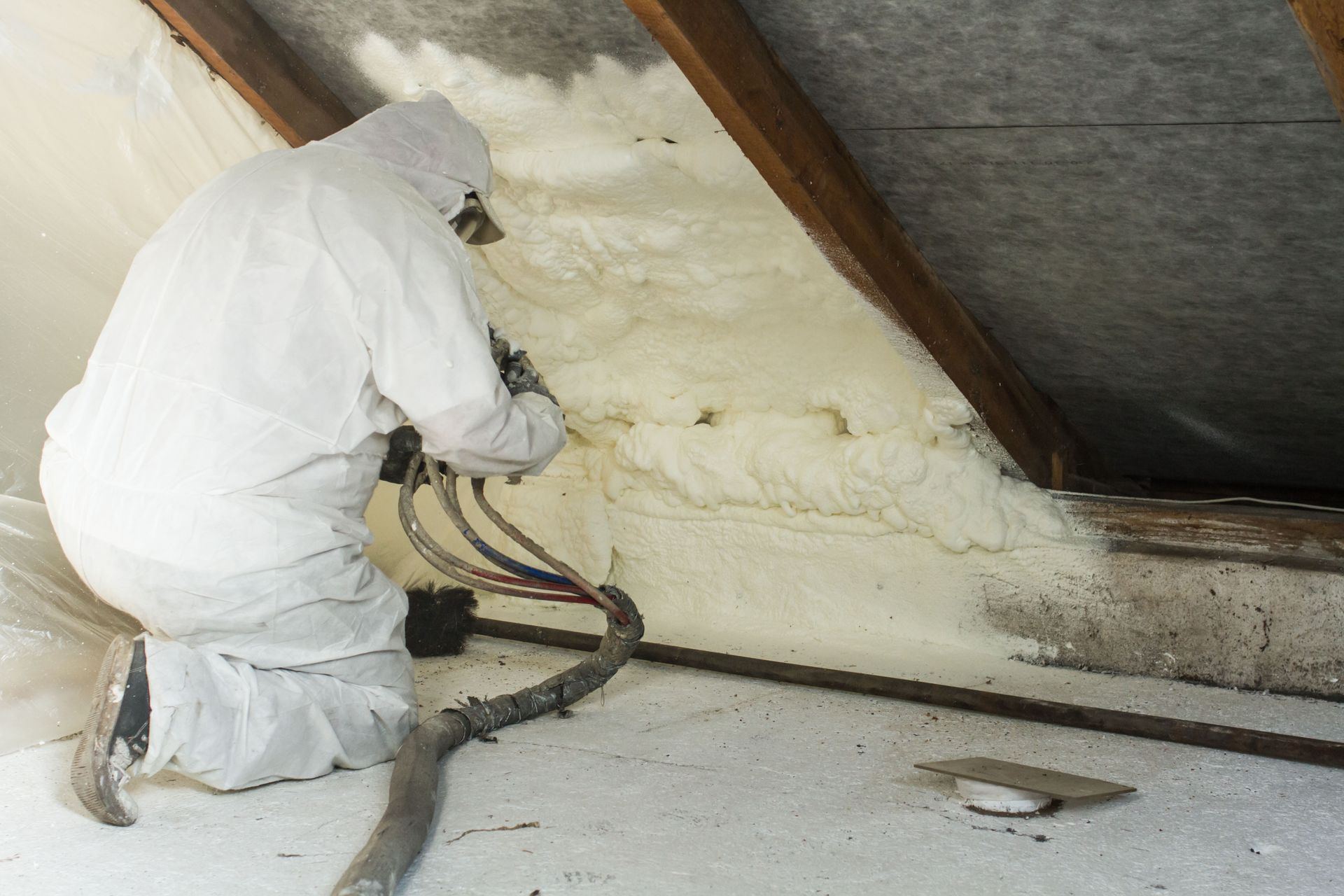
Insulation professionals may identify accessible gaps that should be sealed before or during installation. Local insulation services can combine insulation improvements with air-sealing measures where appropriate, helping the building envelope function more effectively as a complete system. Reducing leakage can be particularly useful around attic floors, rim joists, utility penetrations, and other transition points. When insulation and air sealing work together, homeowners may notice fewer drafts and more stable temperatures from room to room.
Correcting Uneven Temperatures Between Rooms
One of the most noticeable signs of an insulation problem is uneven comfort throughout the home. One bedroom may remain cold while another overheats, or an upper floor may feel dramatically different from the main level. Heating and cooling equipment can contribute to these issues, but insulation gaps may also be involved. Rooms over garages, additions, bonus rooms, and spaces with several exterior surfaces can be particularly vulnerable to heat loss or gain.
Local insulation services can help determine whether these temperature differences correspond with areas of inadequate insulation. By comparing different parts of the home, professionals can identify where coverage may be inconsistent and recommend targeted improvements rather than assuming the entire house requires the same treatment. Correcting weak areas can help reduce the amount of adjustment homeowners make to thermostats, space heaters, fans, or portable cooling equipment simply to keep individual rooms comfortable.
Supporting Long-Term Home Comfort
Insulation improvements are often most useful when they are planned with long-term performance in mind. Simply adding material without considering moisture, air leakage, ventilation, or the condition of existing insulation may not solve the underlying problem. A thoughtful approach looks at how different areas of the home work together and where heat is most likely to move through the building envelope. This can help homeowners prioritize the locations where improvements are likely to have the greatest effect.
Local insulation services can provide ongoing value by helping homeowners understand maintenance needs and signs that insulation performance may be changing. Water damage, pest activity, roof leaks, renovations, and other events can affect previously installed materials. Periodic evaluation can help identify these changes before comfort problems become more severe. Taking care of insulation as part of broader home maintenance can support more consistent temperatures and help the building continue performing effectively through changing seasons.
Insulation contributes significantly to how comfortable a home feels throughout the year by helping control heat transfer through attics, walls, floors, basements, and other parts of the structure. Evaluating existing materials, improving attic and wall coverage, addressing crawl spaces, reducing air leakage, and correcting uneven areas can all help create more stable indoor conditions. Local insulation services can also help homeowners determine whether existing materials are still performing well or whether targeted improvements are appropriate. By taking a comprehensive approach instead of focusing on a single area, homeowners can make insulation upgrades that support comfort for years to come. For professional help evaluating and improving the insulation in your home, contact Advanced Insulation Technology.